
.
In this architectural guided tour, we will review the work of two influential architects that belonged to the modern movement in Spain: Sáenz de Oiza, also belonged to the Spanish Organicism movement and Alejandro de la Sota, who was a promoter of industrialisation of construction in the 1960s. The Buildings of de la Sota combine geometric rigor with constructive sincerity and a structural boldness of form that still surprises today. De la Sota received the National Prize of Architecture and the Gold medal of the Council of Architects. It will also include one of the City’ss Modern Icon:
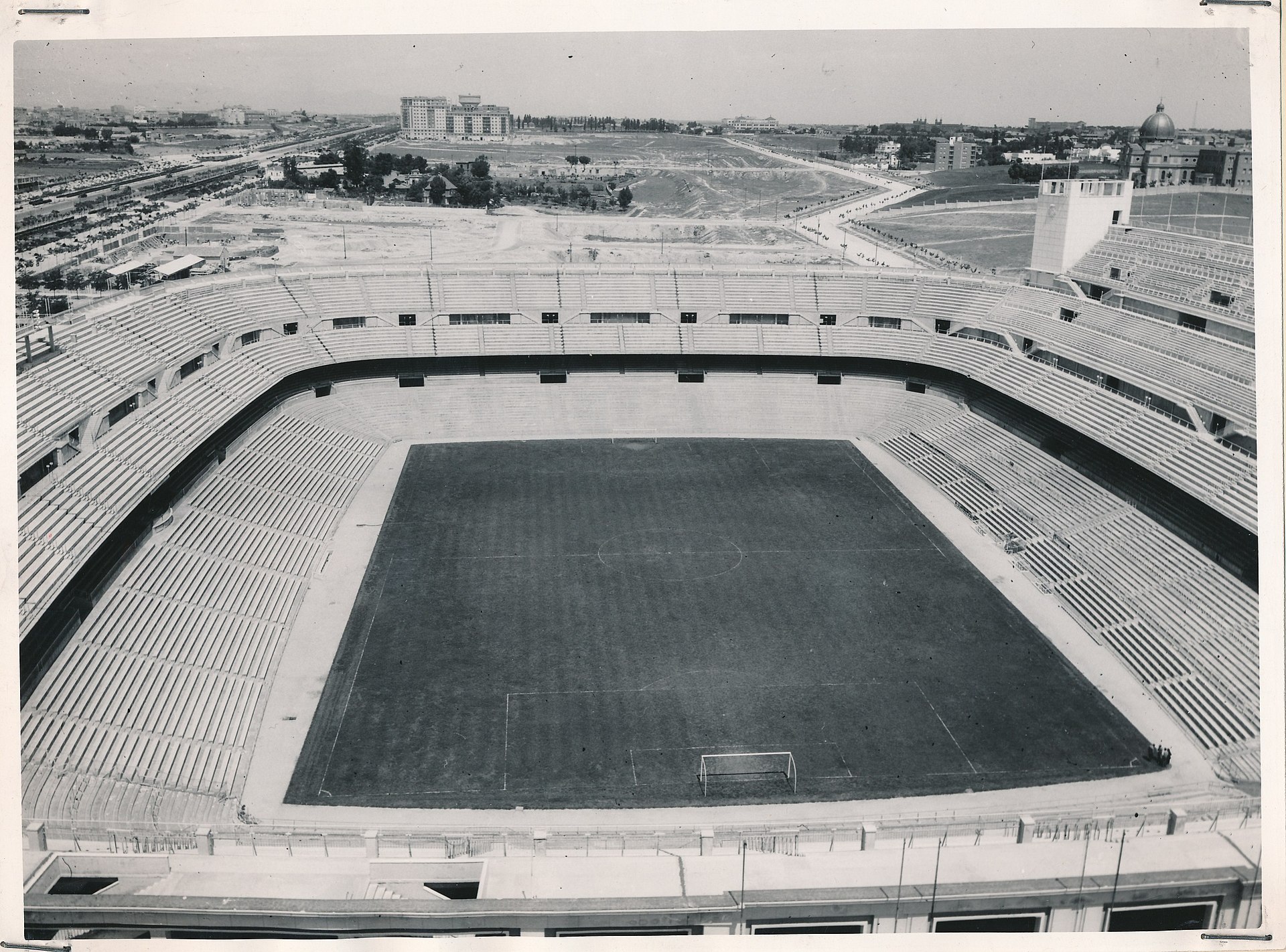
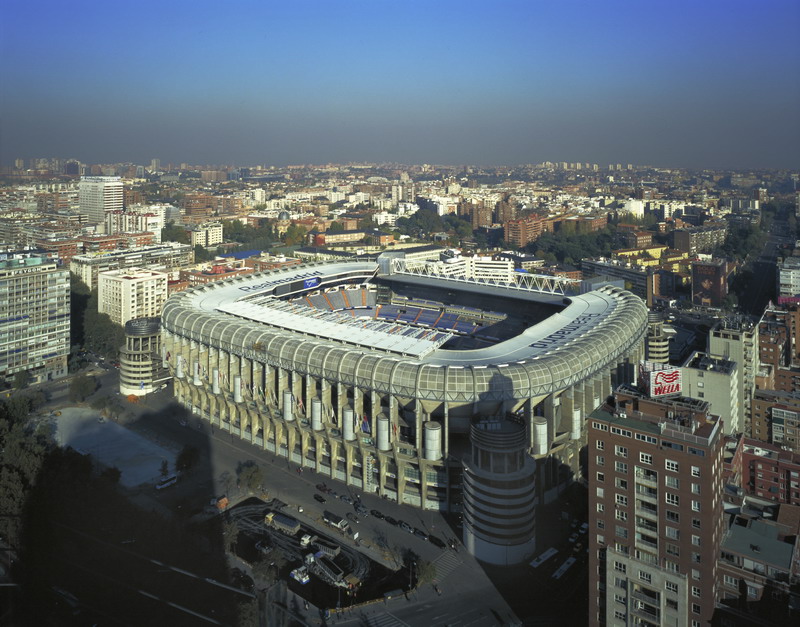
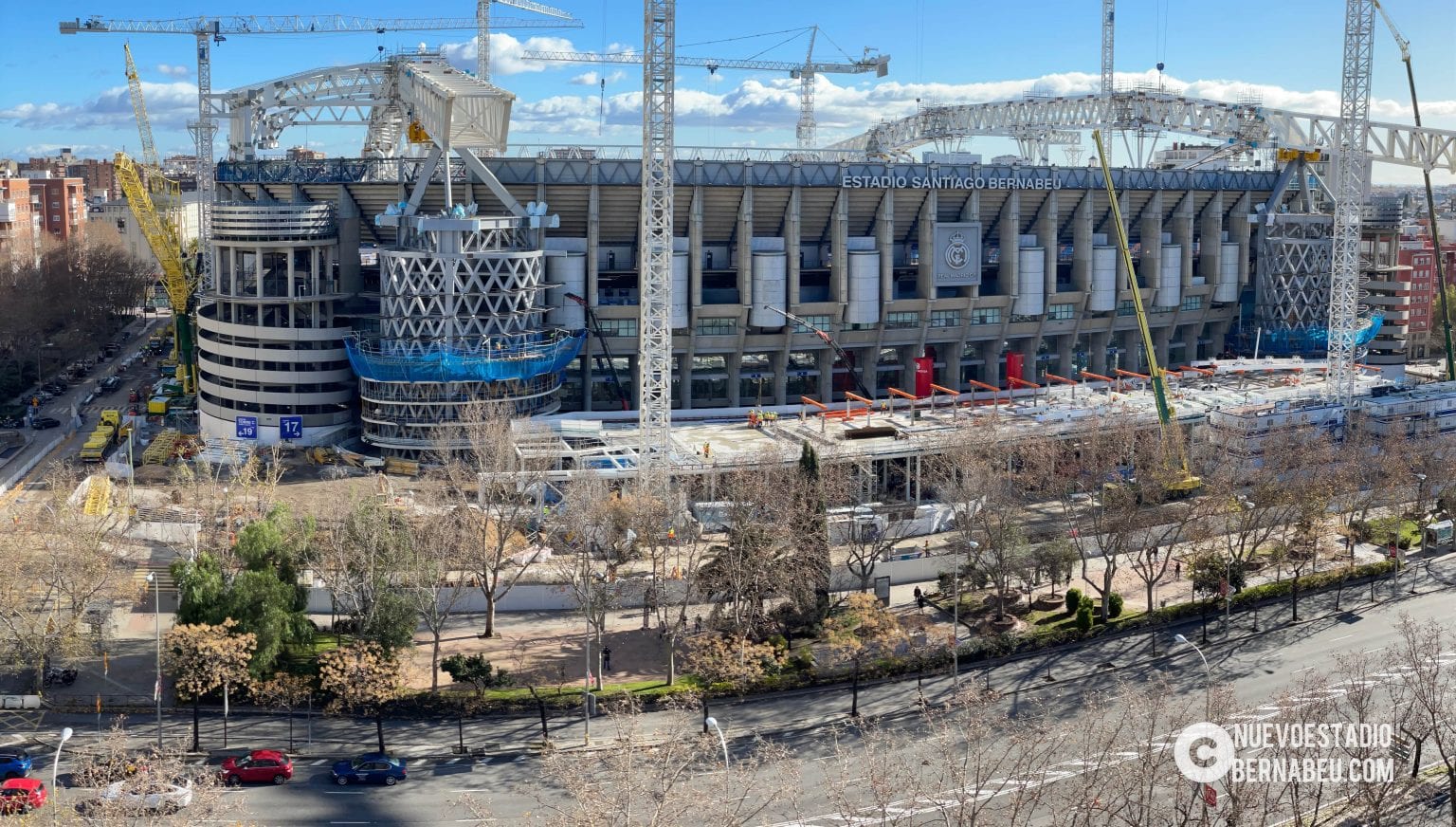
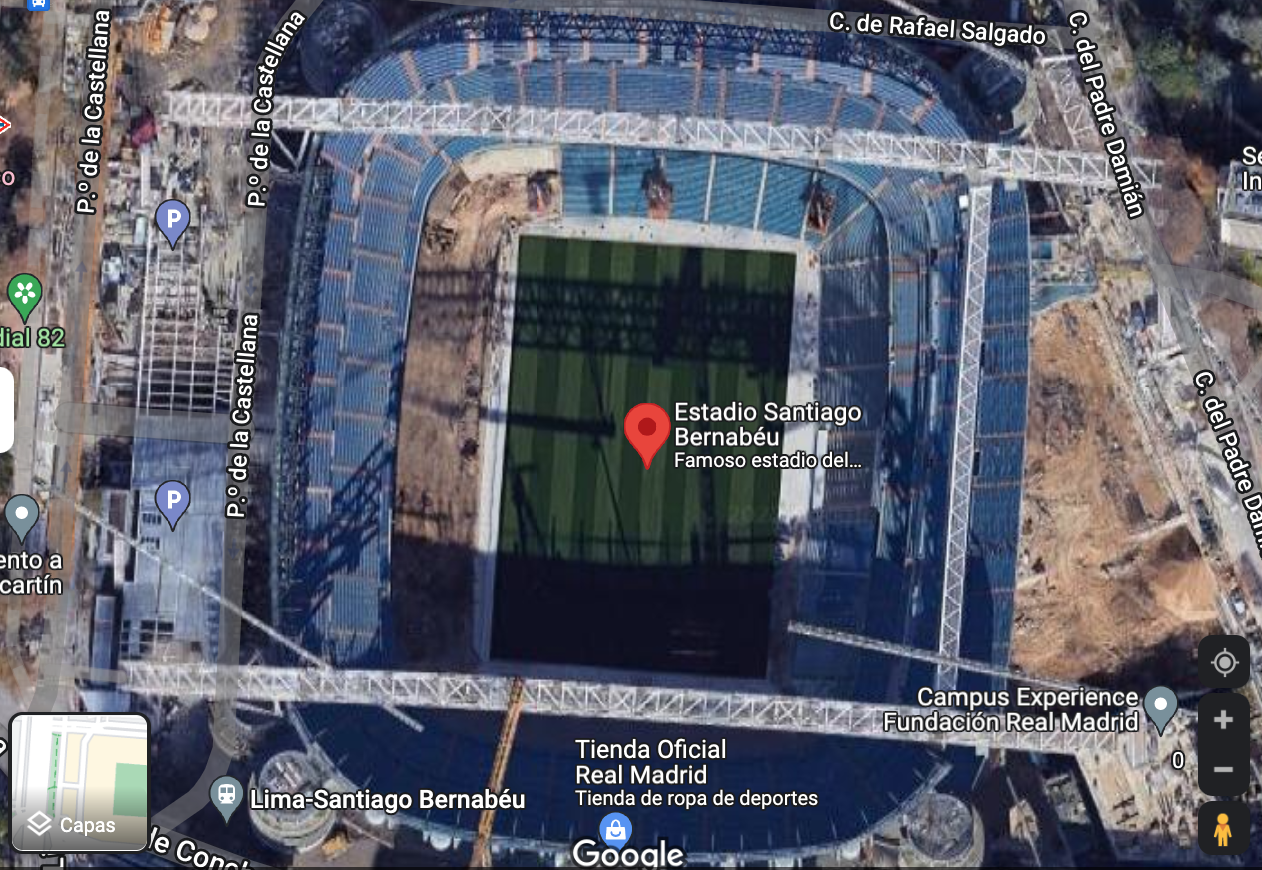
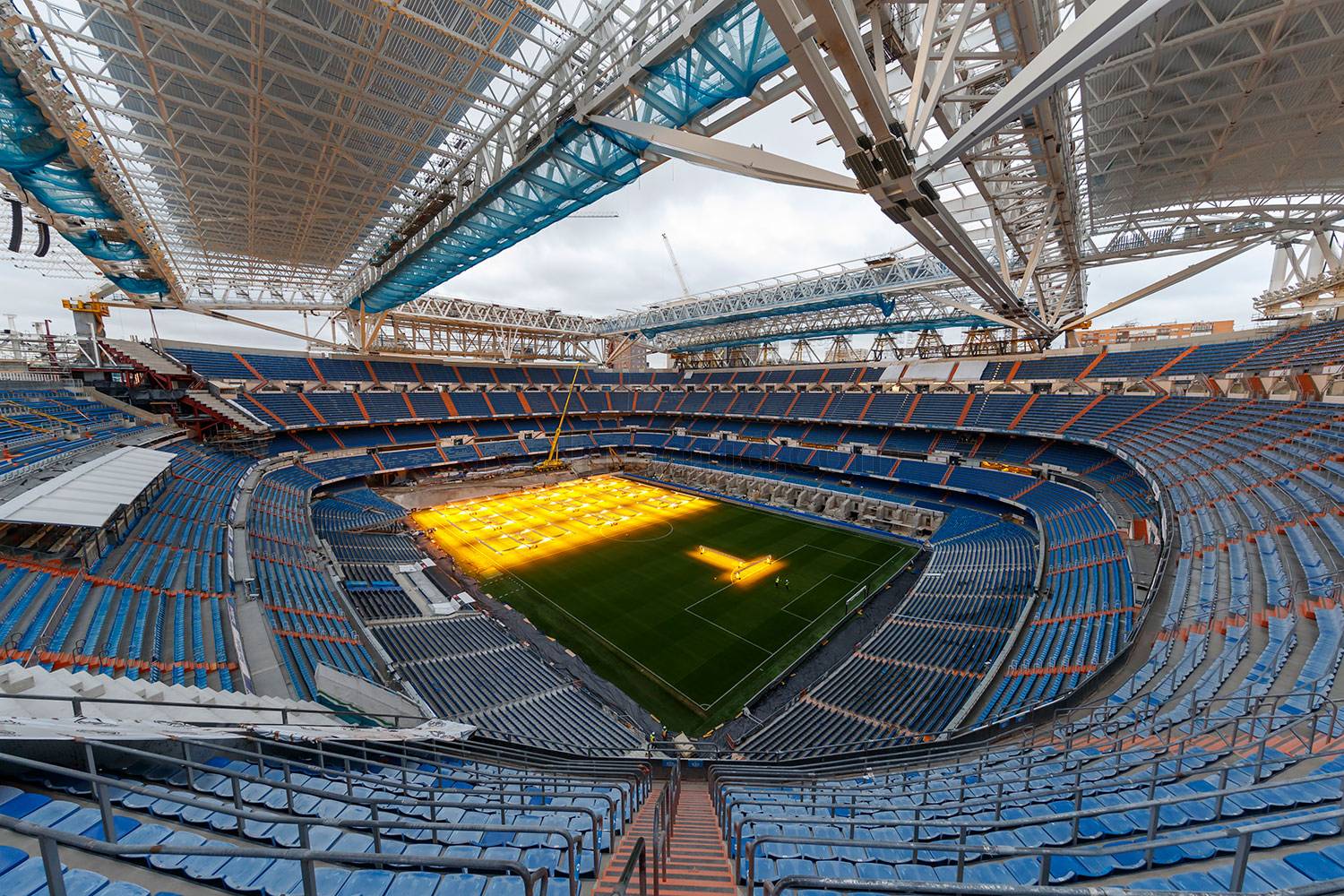
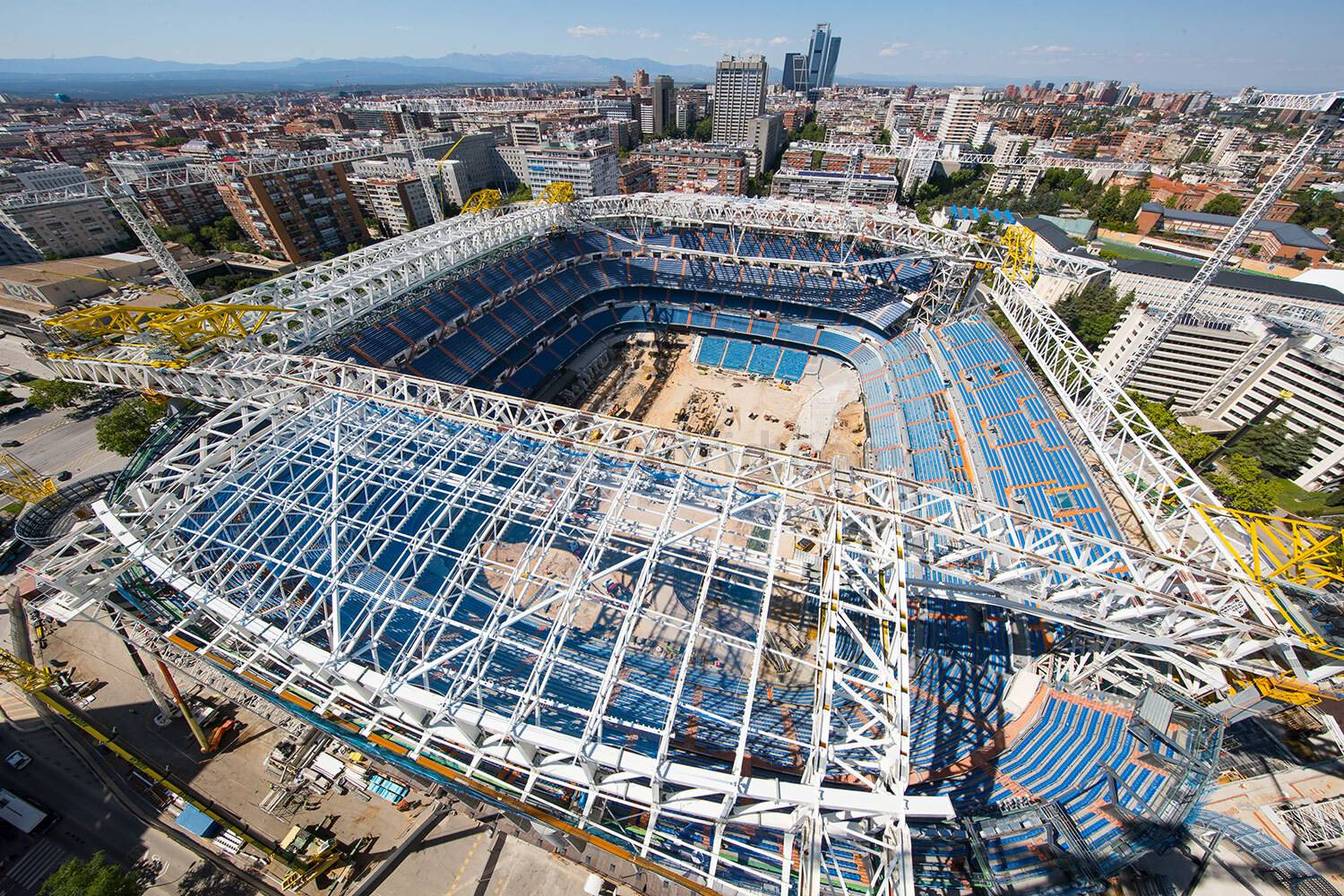
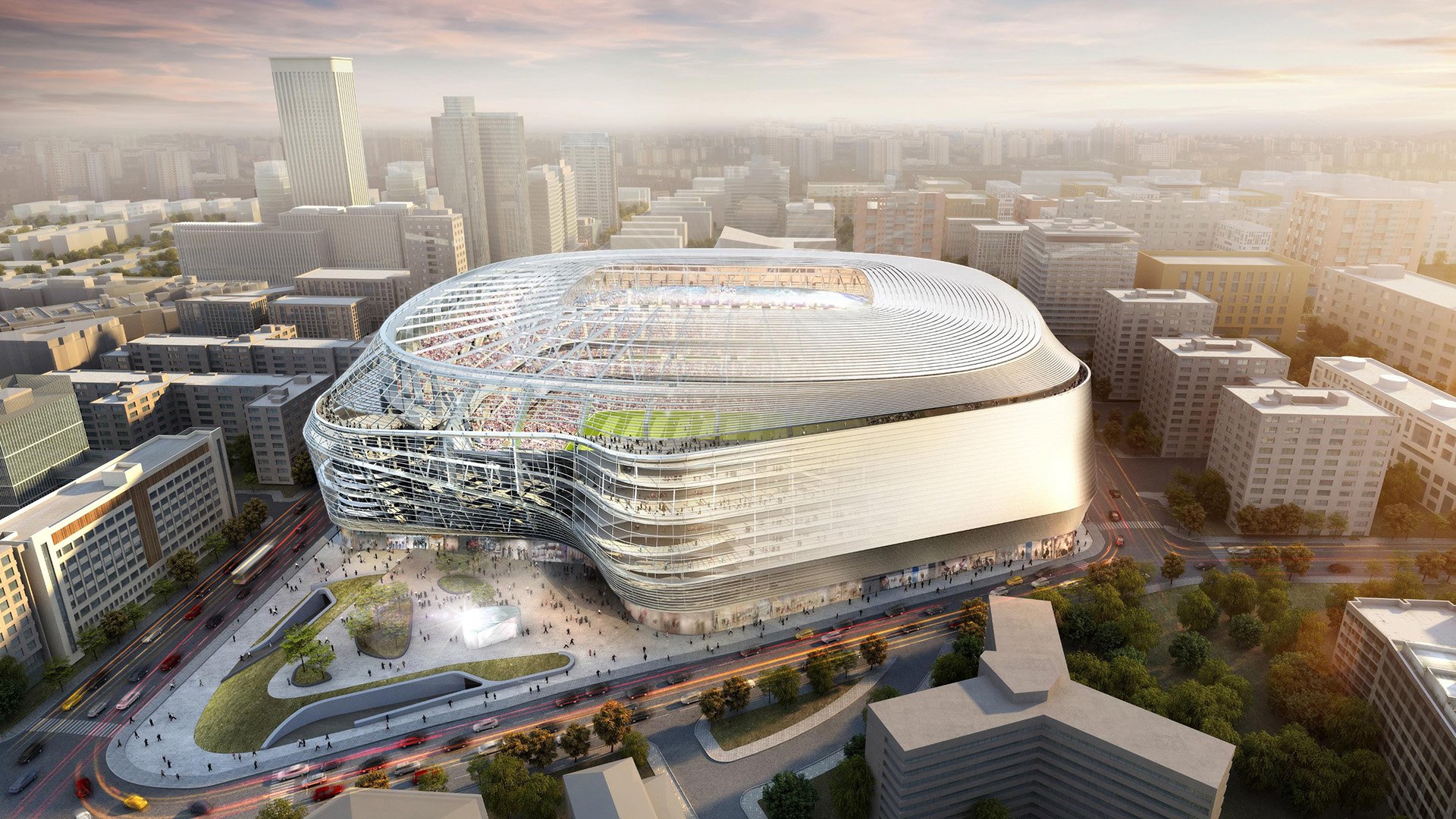
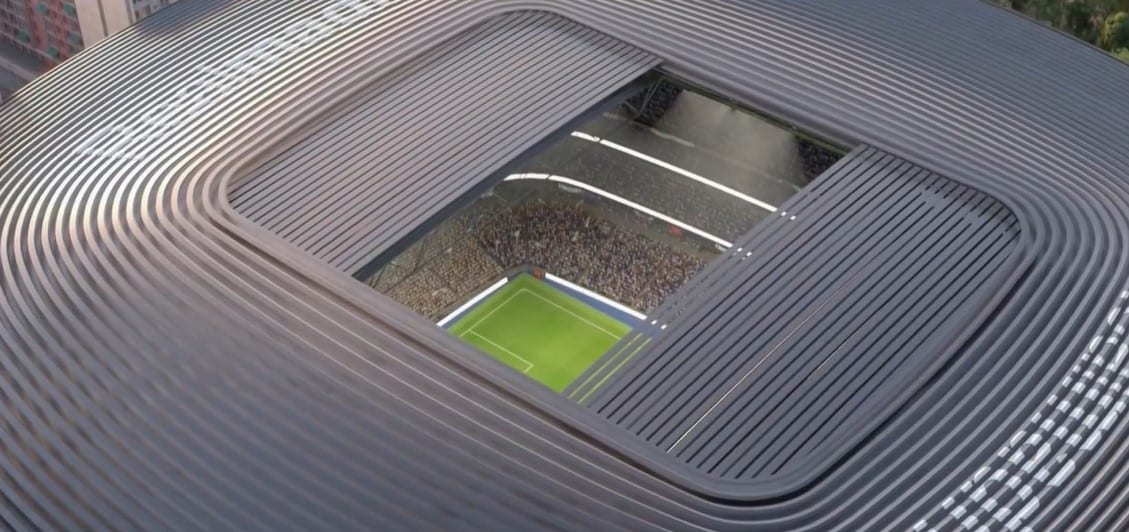
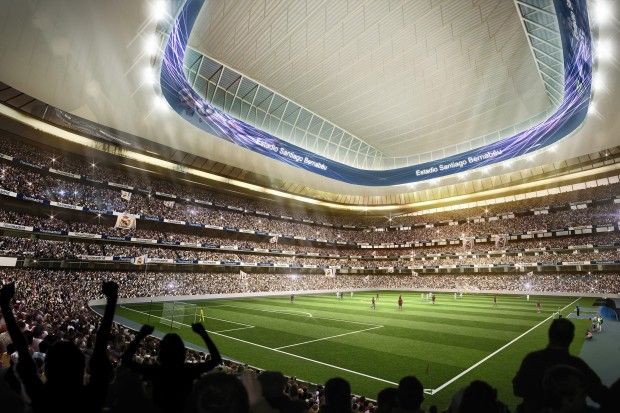
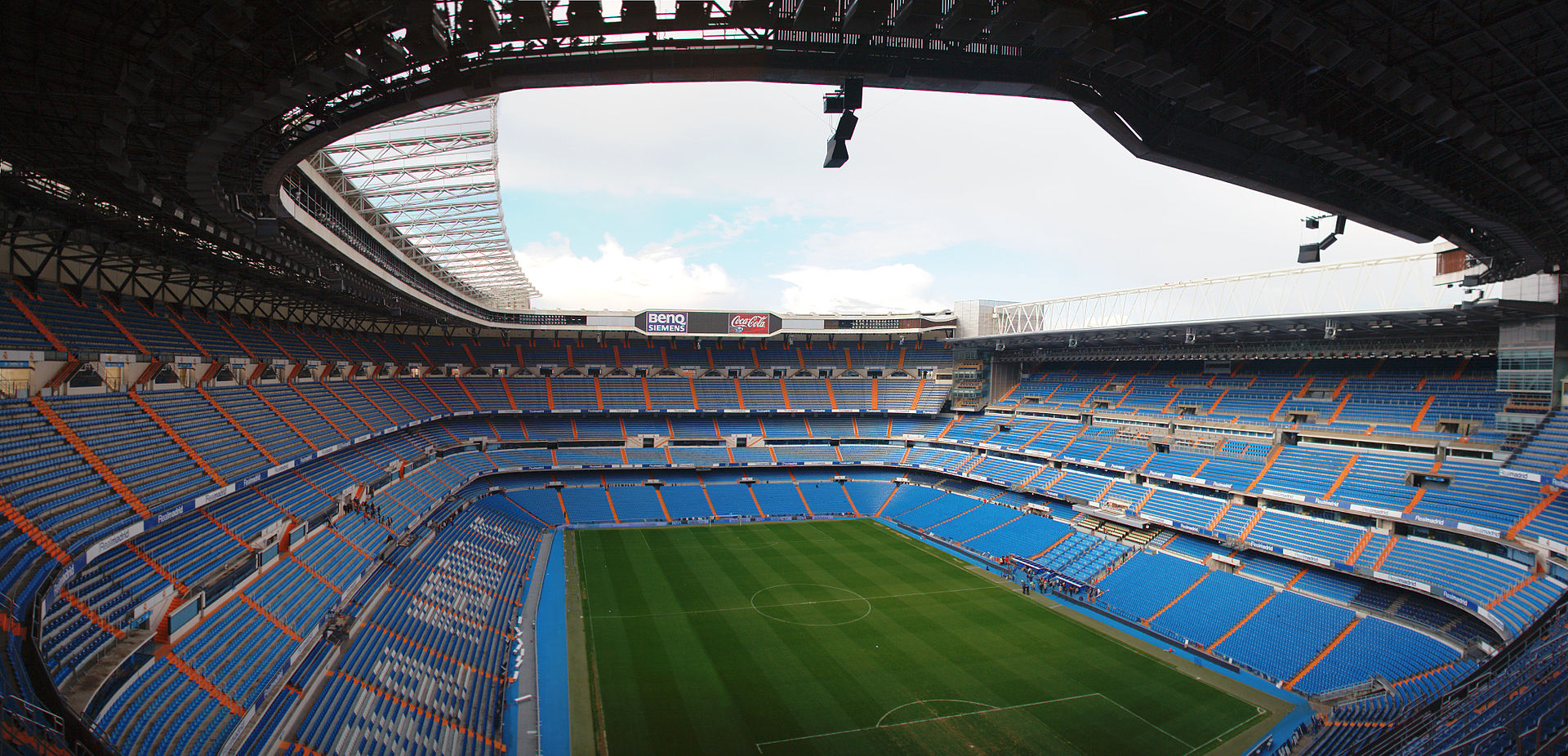
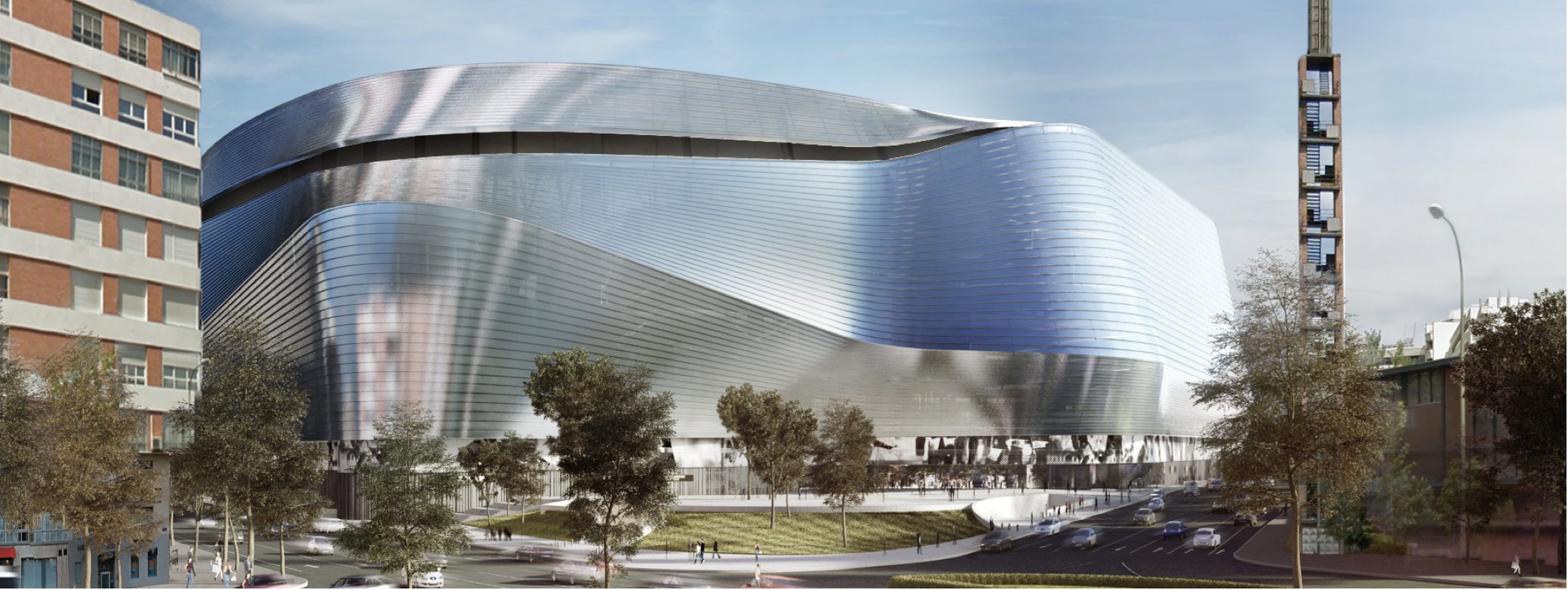
1. The Bernabeu Stadium, originally built in the late 40’s and has since then suffered quite an intensive number of renovations and extensions. In 2012 GMP Architect (Gerkan, Marga und Partner, Hamburg – Germany) win the international competition of ideas, which is at the present, in the last phase construction, a complete renovation with a new, over imposed steel structure and stainless-steel membrane that completely covers the original building, has led the icon of one of the most important football teams of the world, to also become one of the most modern stadiums of the world. Keep Reading
Inaugurated 1947, it as being suffering quite a few extensions and remodelling to increase its capacity) from 75,000 to 106,000 depending on the different norms and capacity laws that have been changing throughout it history). Under construction since then, today it is the most important since 1982, hoping to finish the construction this year 2023, to be inaugurated.
The idea is that the design becomes also an icon to the Real Madrid, for instance, the three lines of light become the logo or the icon of the RM Football Club. Also, the stadium becomes a reference in the world of an sports installation / stadium. Keep Reading
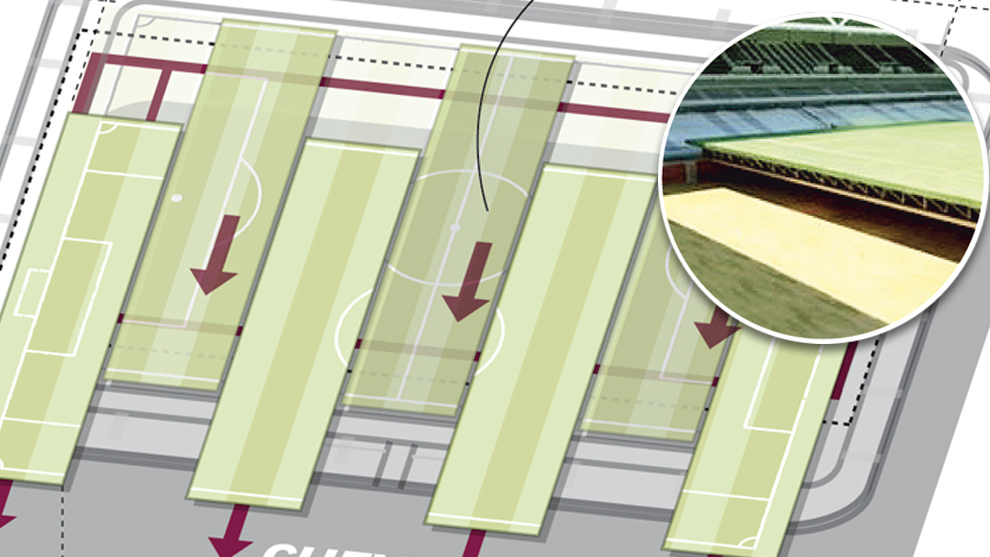
It is quite technological / structure that we have the privilege to see at latest stage of construction:
- 2012 the international competition of ideas was opened and four team where invited:
- Lamela (local Spanish who did the previous extension to the Stadium in 2001-06) and Populous (US with a large trajectory in designing stadiums worldwide, for instance, Wembley Arena in London)
- Rafael Moneo (local) with Herzog & De Meuron
- Norman Foster + Rafael de la Hoz
- GMP Architect (Gerkan, Marga und Partner, German -Hamburg) + Ribas & Ribas + L35 (both local from Barcelona).
- 2014 WINERS were announced, GMP, in my opinion won for its its complex isometric and x contemporary geometry, and the Council of Madrid approved the construction, with a budget of 400mil/€, with
- 2019 construction would start with demolishing a shopping mall in the East part of the block (Padre Damian) and two access towers (ramps) on the West façade over the Castellana Main Artery.
- 2020 starts steel structure/ 2023 finishing construction and stainless steel skin.
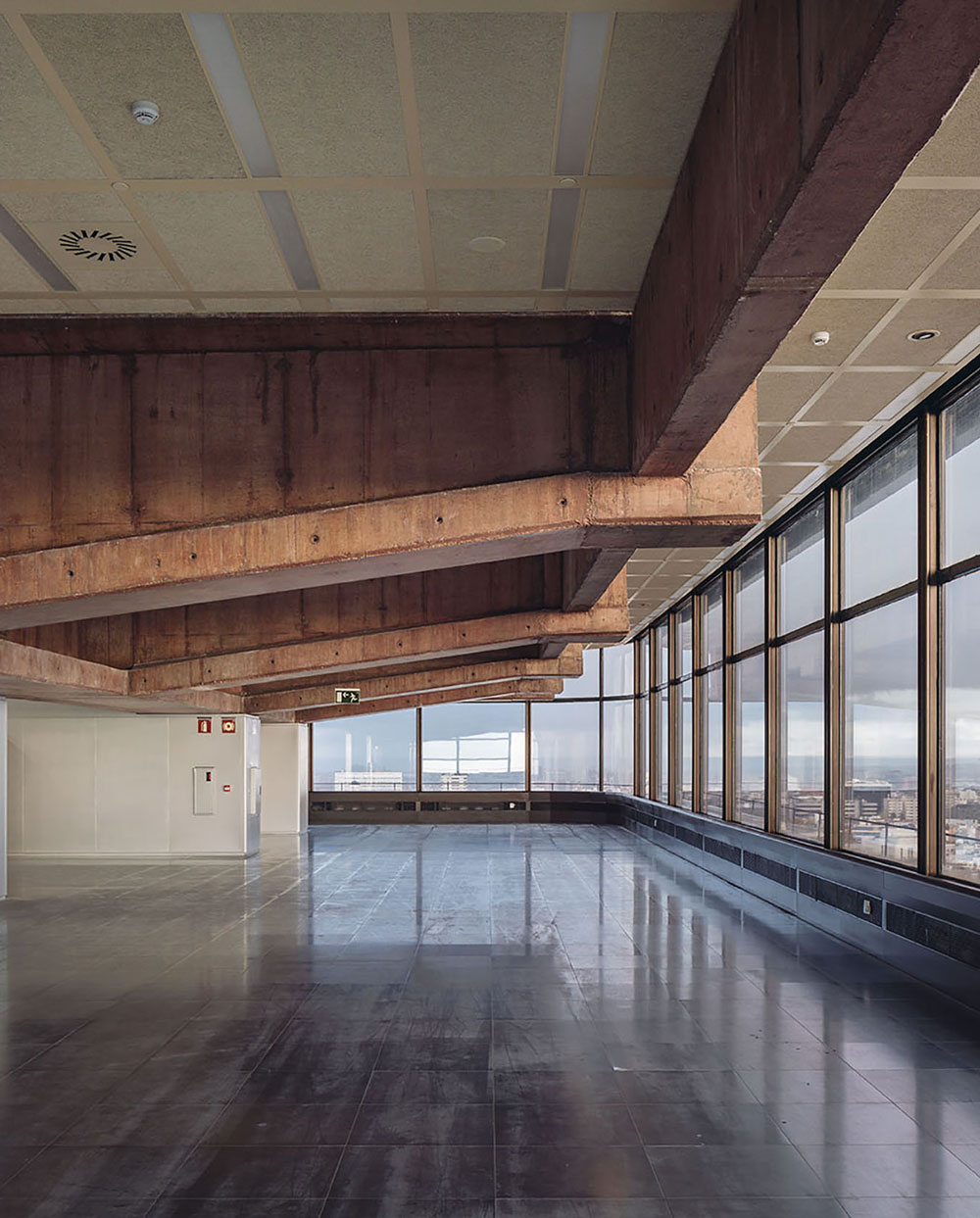
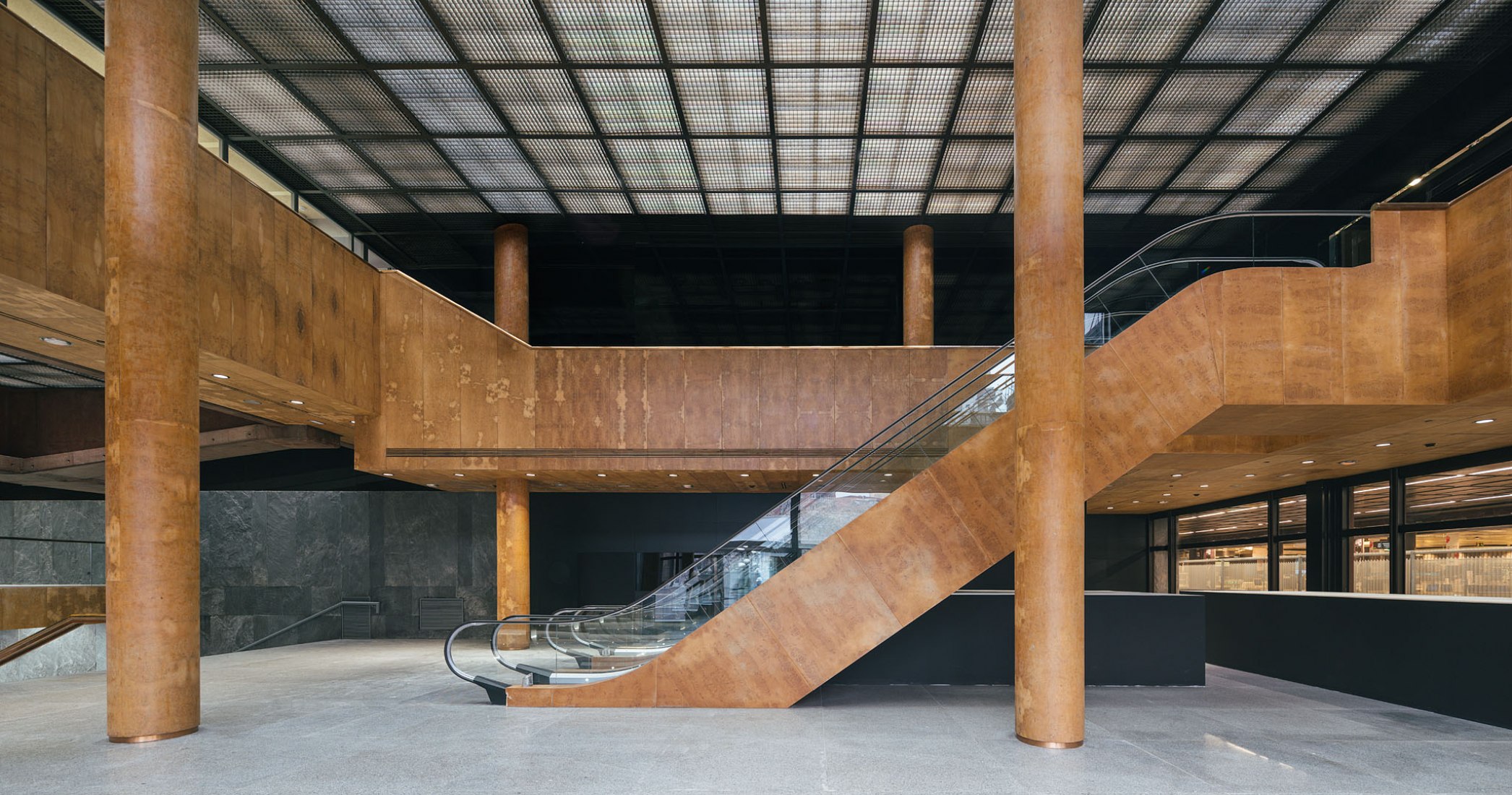
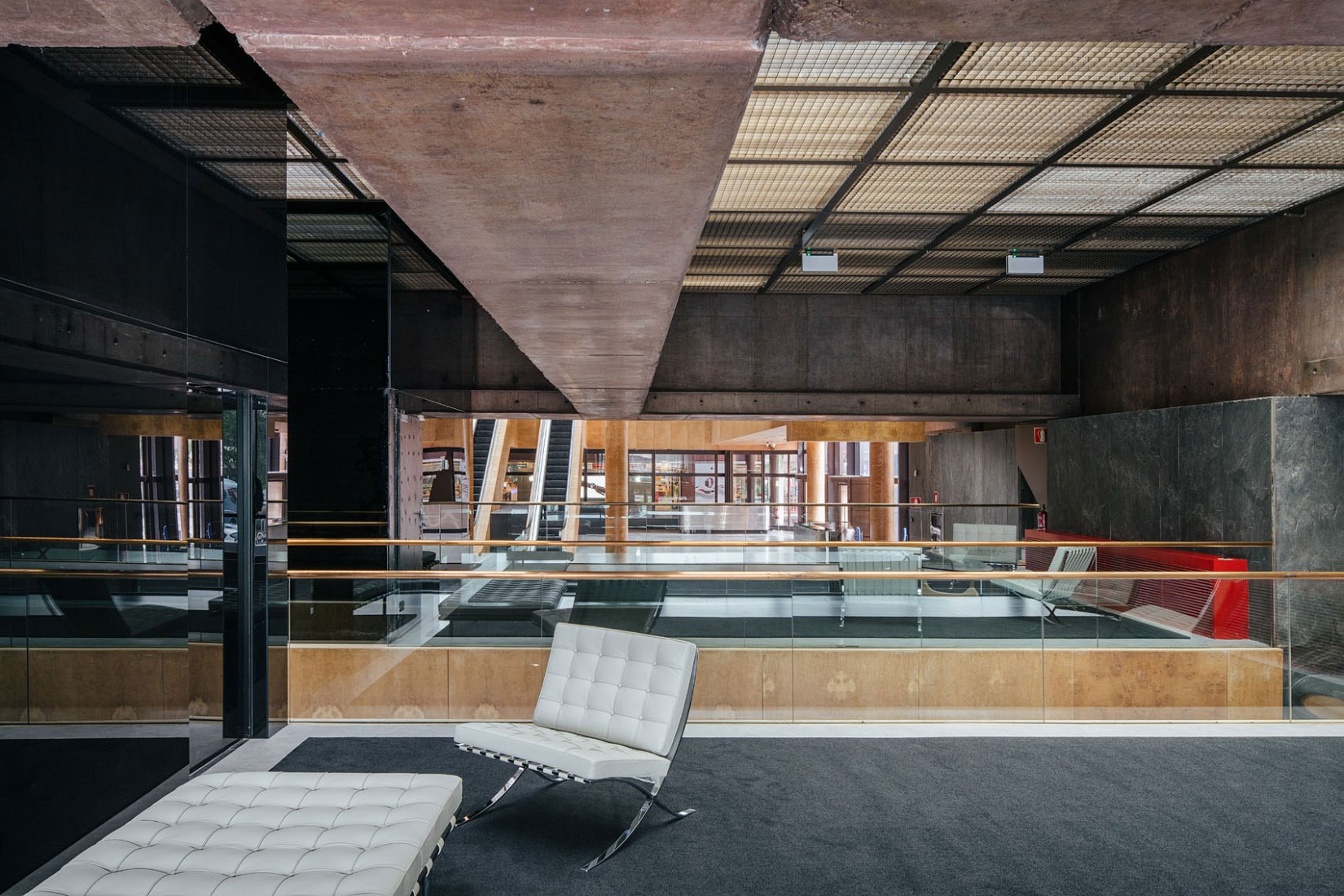
2. BBVA Bank (1971-1981) by Sáenz de Oiza, now known as Castellana 8, is a classic tower with an interesting “organic-bridge” concrete structure to solve the problem with the underground train tunnels underneath. It is one of Madrid’s most important architectural landmarks, with its distinctive ochre colour, which has become more intense with the course of time due to the rusting of the steel of its façade. Read More
During the visit, emphasis will be placed on technical issues as its construction responded to important challenges, the main one to be built over the railway tunnel. It was decided that the structure would be a mixed structure of steel and reinforced concrete, with a structural system that determined the existence of floors of different heights, which favoured the creation of horizontal rhythms in the façades. The importance of the structure will be explained, as the building is supported by two concrete cores which also hold the communal facilities and the lifts. Around them, the office area is a clear, undivided workspace, which was a pioneering concept at the time.
The Banco Bilbao Tower is also an important example of the total autonomy of the façade with respect to the vertical structure. This was set back around the entire perimeter, allowing for a uniform solution, without interruptions or edges, with curved corners, which we will be able to see on the visit.
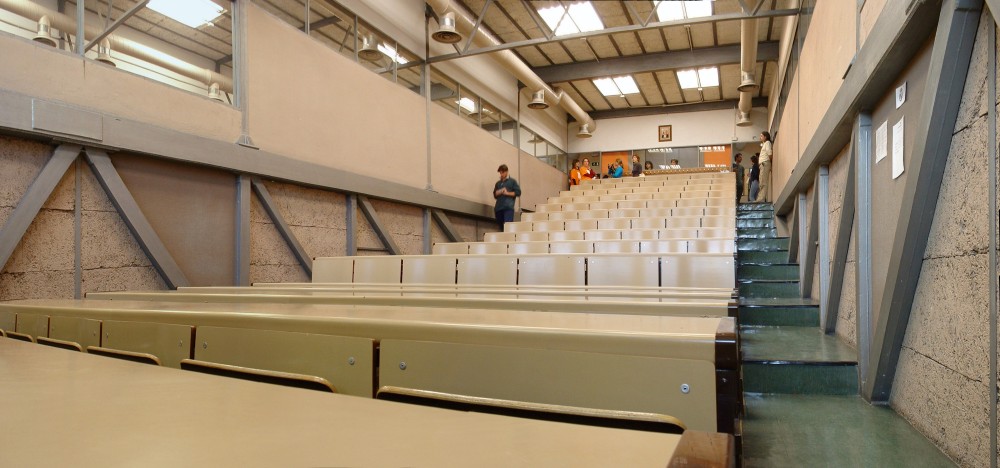
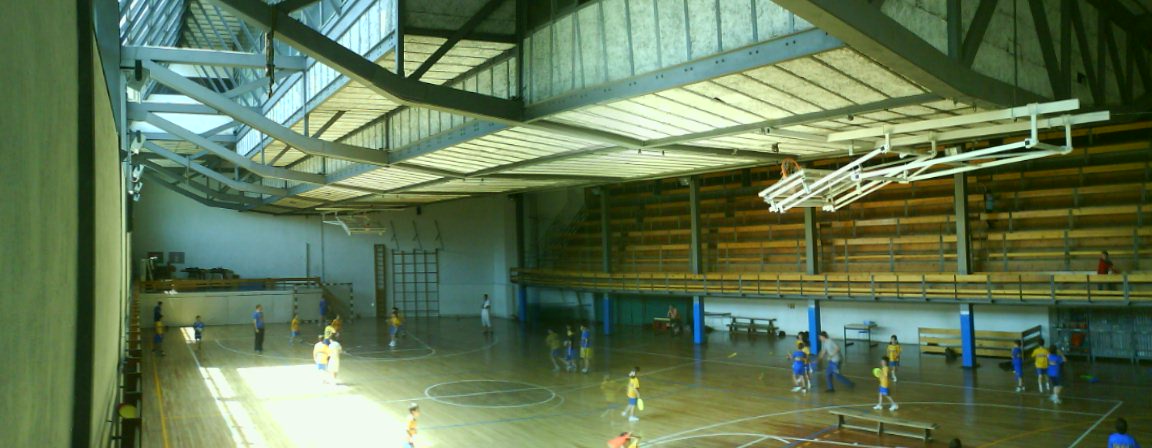
3. Maravillas School Gymnasium 1961 by Alejandro de la Sota is an architecture classic and example of the Spanish rationalism architecture of the second half of 20th century. The care and passion that put into the constructive details and into the constant modulation become a project that Mies van der Rohe, as he once said, would have liked to build. Read More…
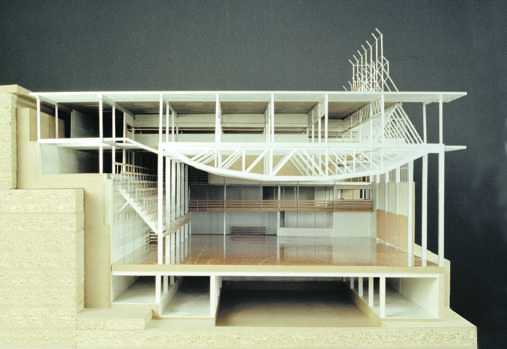
This building is also considered by the British critic William Curtis the most significant work of Contemporary Spanish Architecture. De las Sota’s Maravillas gymnasium of 1961 was the first steel framed building in Madrid. The most interesting part is its section, the steel structure allows an open space gymnasium at the lower level, while connecting with the school with a basketball ground on the top level.
During the visit we will focus on the difficult challenge that the architect had to face: 12 meters height difference between streets. De la Sota designed a steel frame with 20-meters-trusses under which we find the main track. Through it, the natural light enters the building.
This visit is a must for all architecture lovers, as it provides an insight into an architecture focused on solving specific design problems without unnecessary elements.
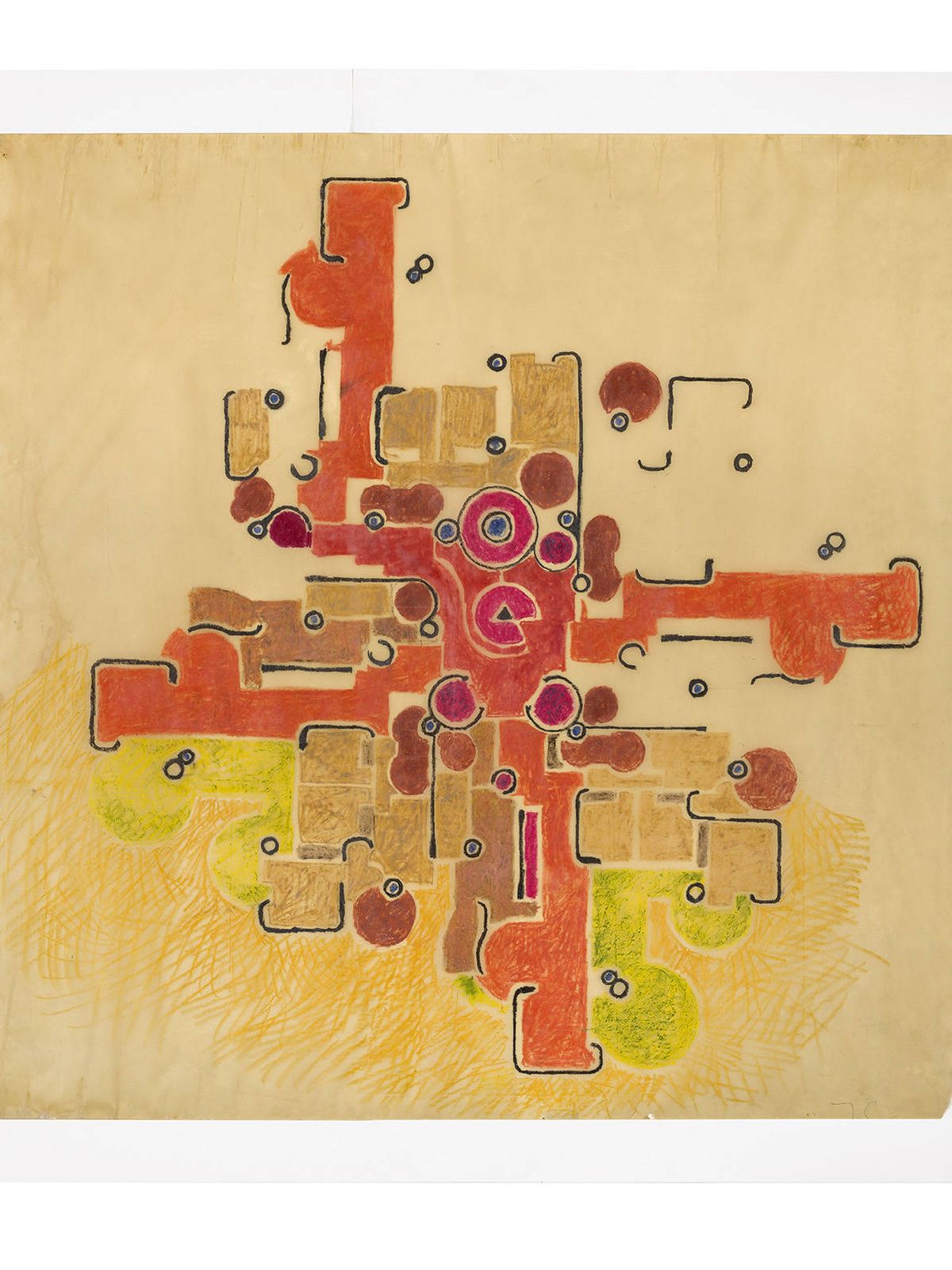
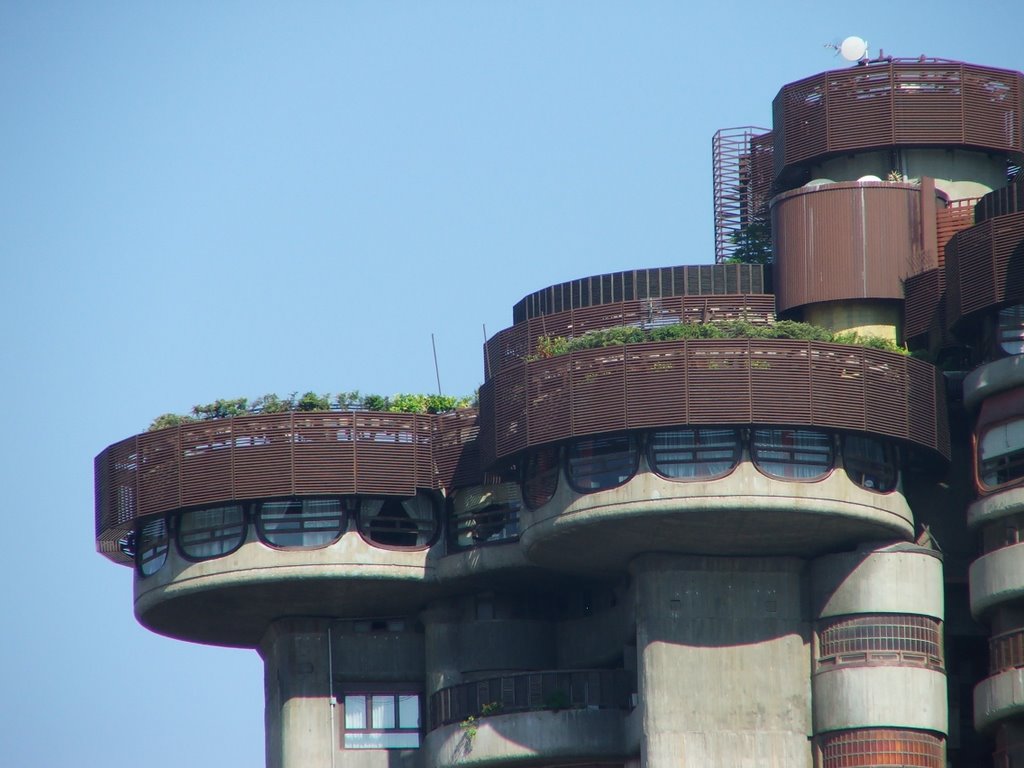
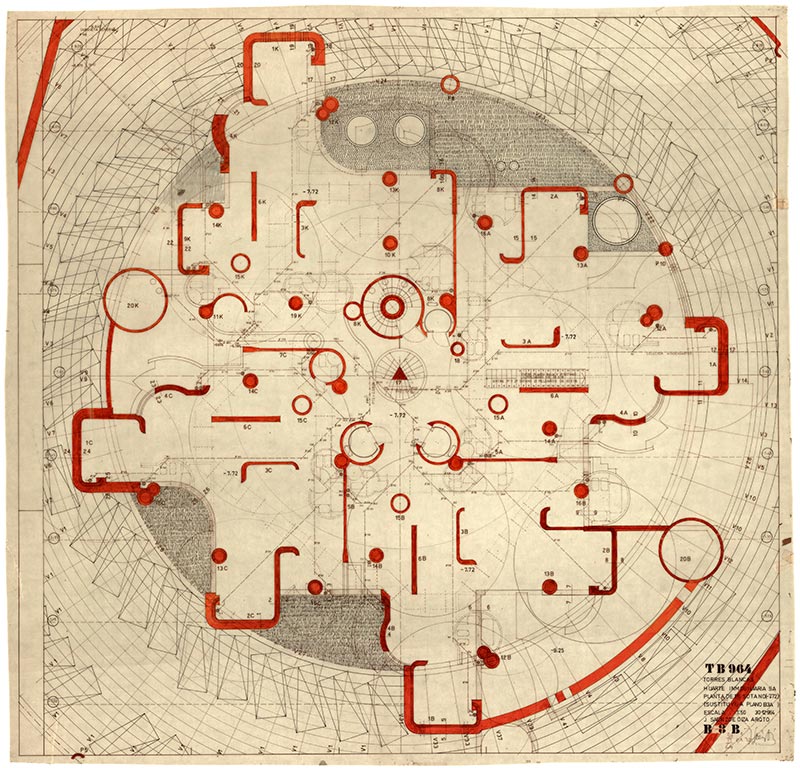
4. The Torres Blancas (White Towers Residential Bldg.) also by Sáenz de Oiza, was completed in 1969. It is an architectural icon of the Spanish Organicism movement, and stands as one the most innovative reinforced concrete structures of the era, designed as a tower that would break the typical conventions of residential architecture. Read More…
During our visit, we will have the opportunity to go in depth into Its volumes, conceived via cylindrical forms. In addition, we will observe in detail how, starting from column/beam construction system, the architect chose to emphasise the inherent strength of concrete in a way that resembles the organic growth patterns of trees.
The Torre Blancas, in a design that truly has its roots in the foundation of organic architecture. It remains an iconic landmark of the modern movement and Its undulating exterior aesthetics remain as equally impressive as the interior, even nowadays.
Itinerary:
Photos:






















.


 Pure Expeditions