
.
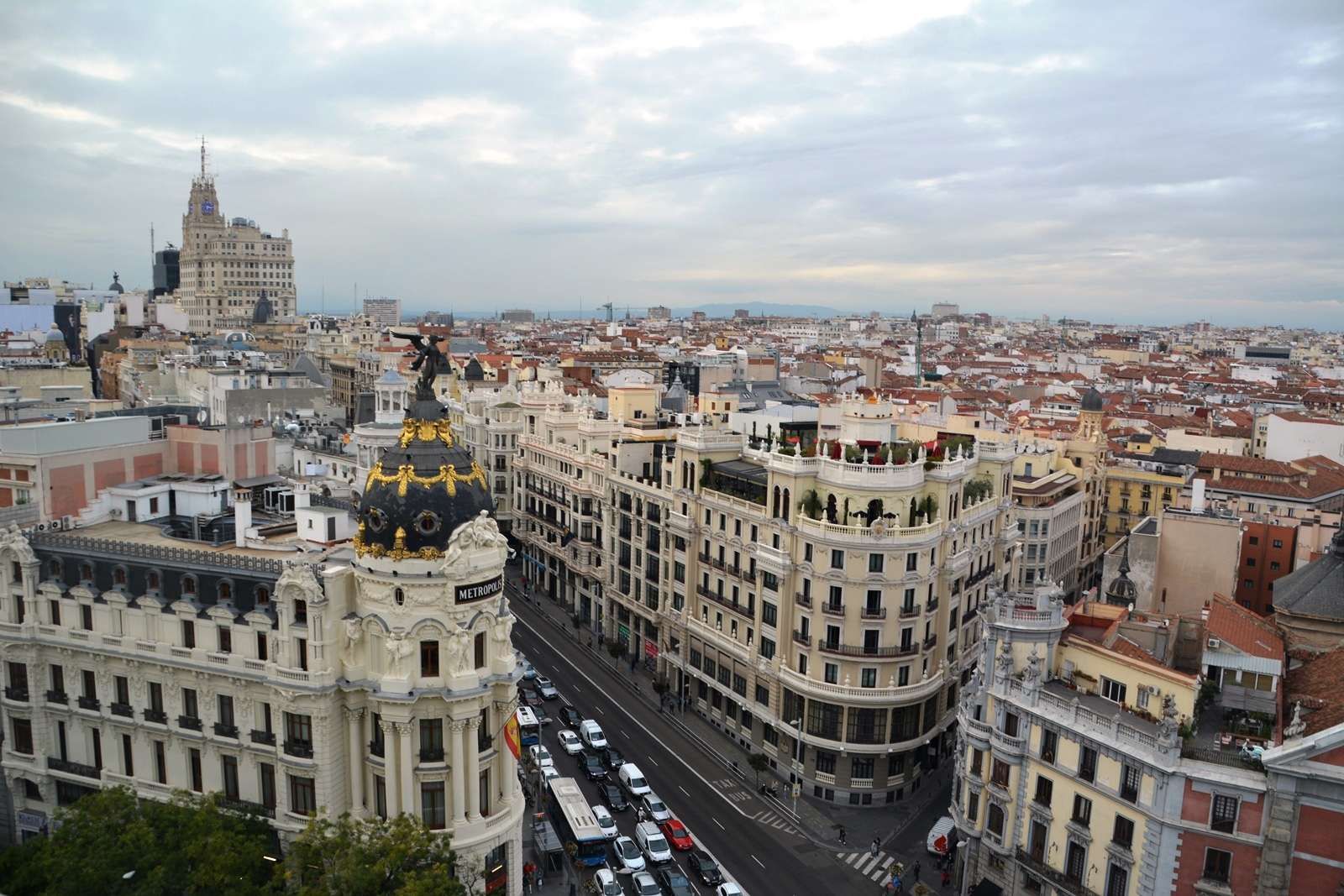
In 1910, the Gran Vía was inaugurated, starting in Alcalá Street, finishes in Plaza de España. The Gran Via means Great Route in Spanish. It was built as a fast connection for districts developed in the Project Ensanche. This route links the Arguelles district on the west with the Salamanca district to the east.
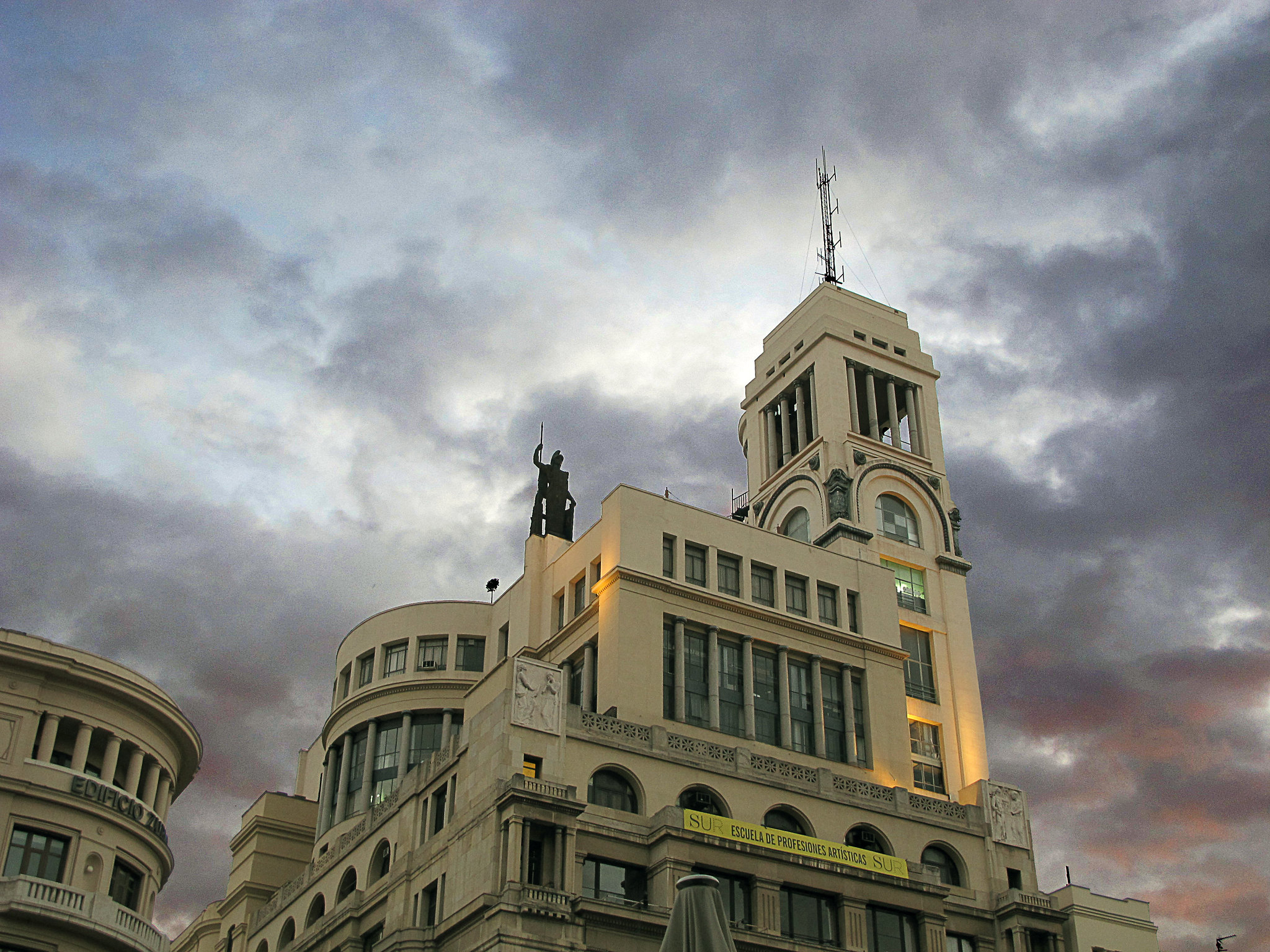
At the intersection of Alcalá Street and Gran Vía, we find the Metropolis Building. It was designed in the early 20th century by French architects.
Antonio Palacios’ Role in the Urban Development of Madrid
Antonio Palacios was a prominent architect in Spain. He was influential during the first half of the 20th century. He was responsible for some of the most emblematic buildings in Madrid. His work helped transform the old Baroque town into a modern metropolis.
Antonio Palacios designed and constructed many projects and buildings throughout Madrid. The most important ones are located in the Gran Vía and along the axis of the Alcalá Street. We will focus on these in this tour.
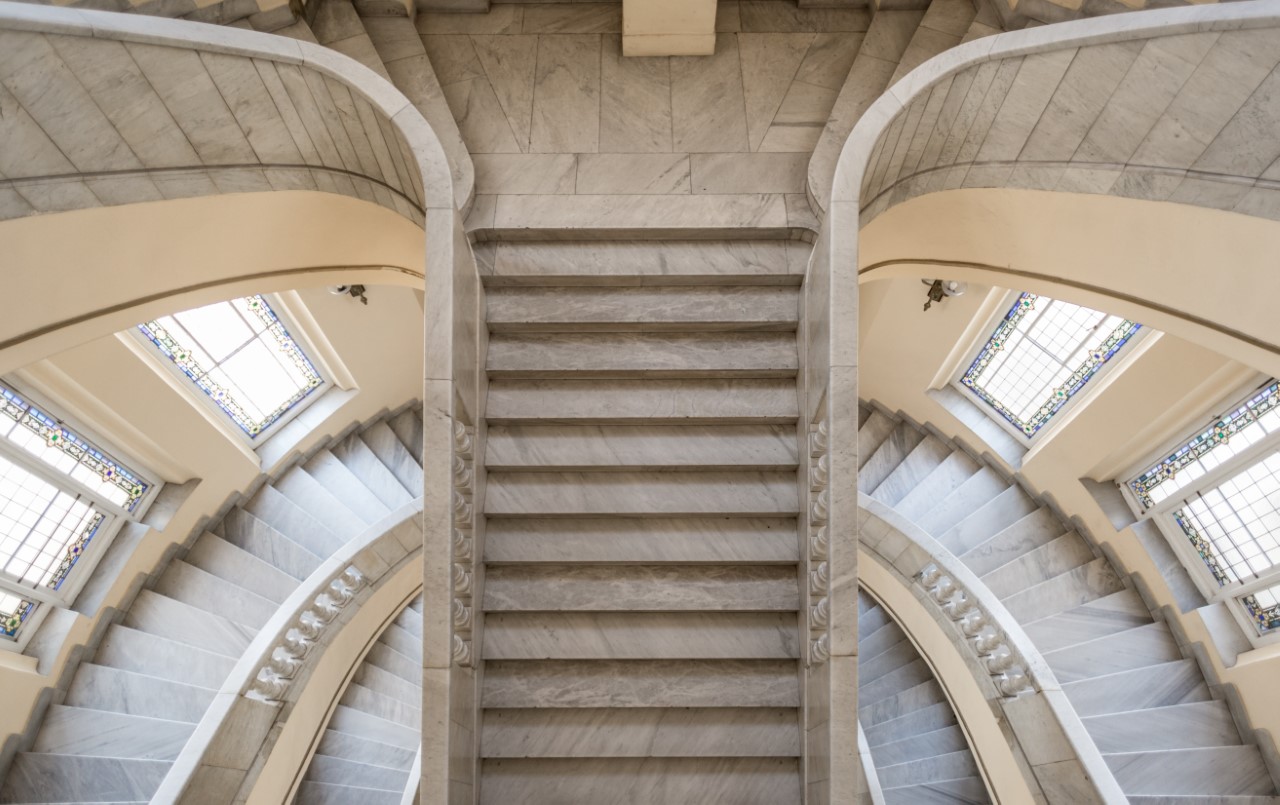
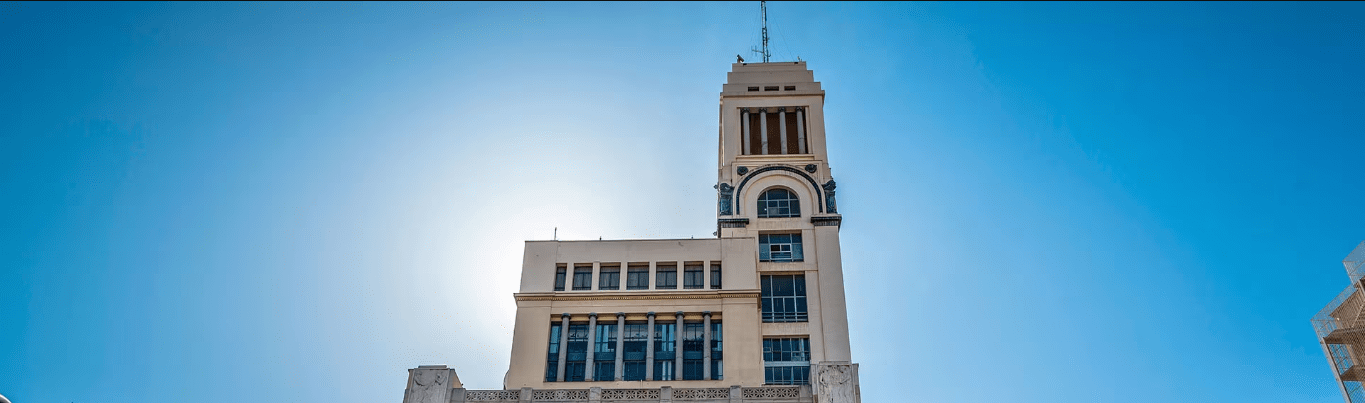
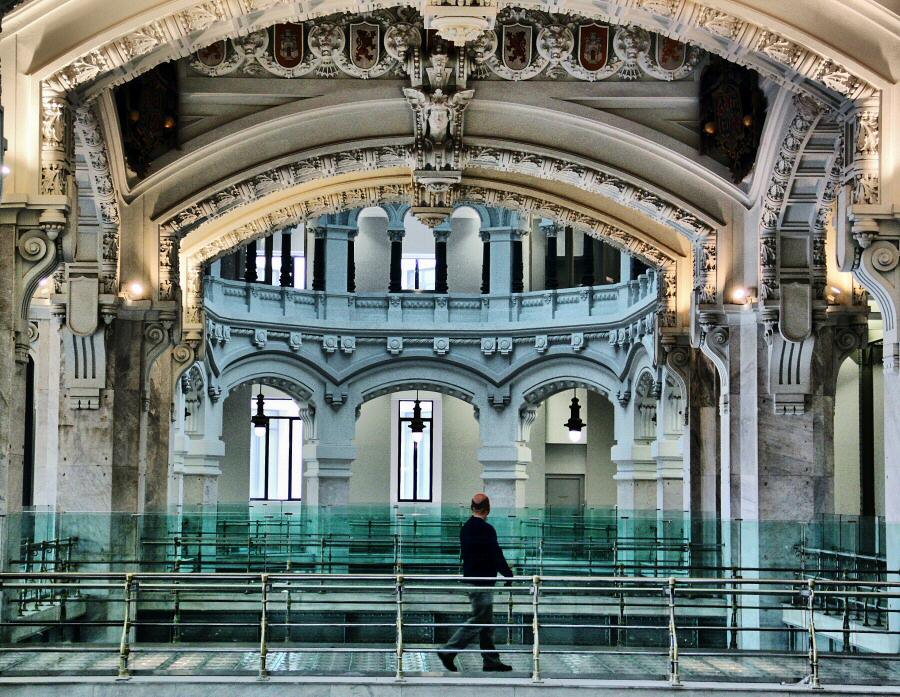
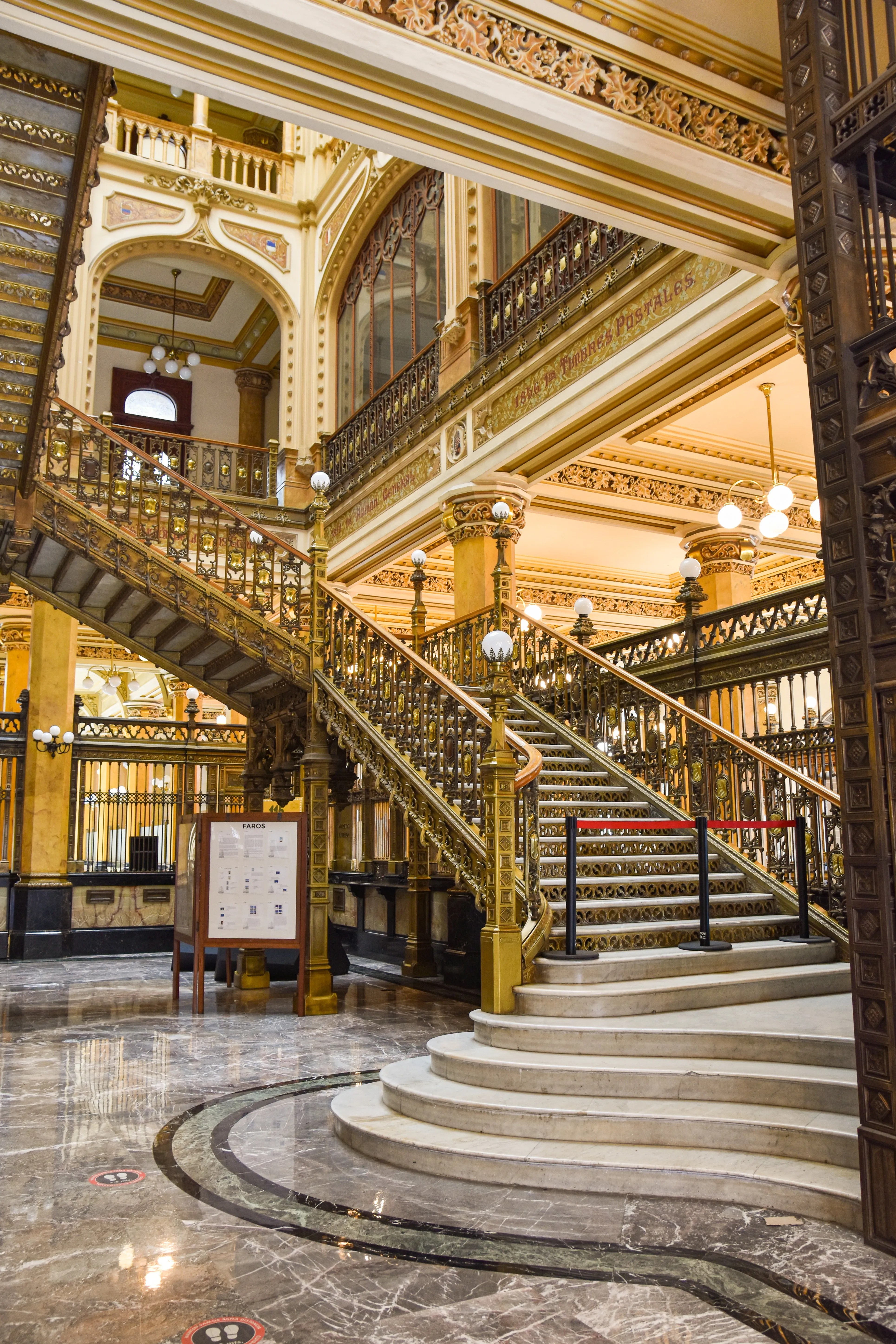
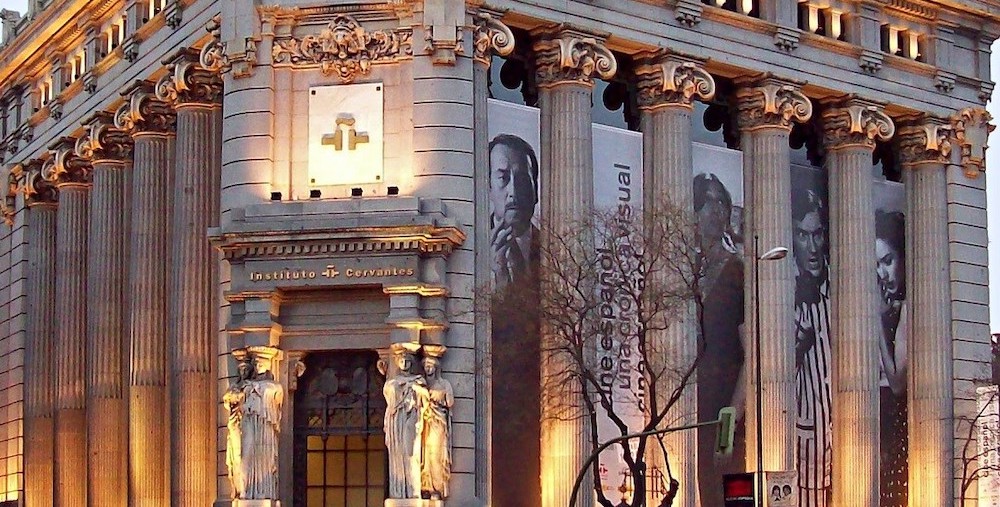
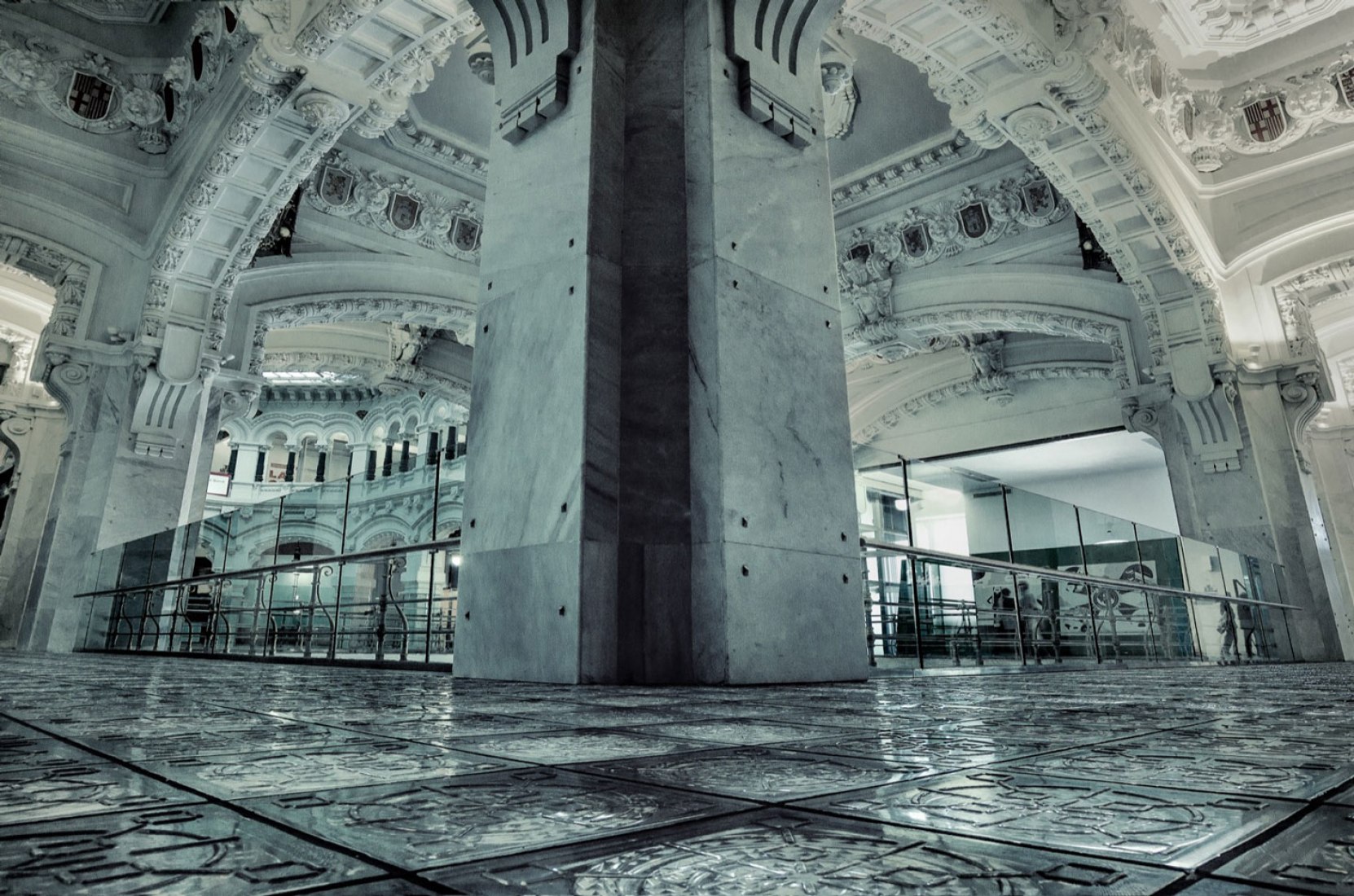
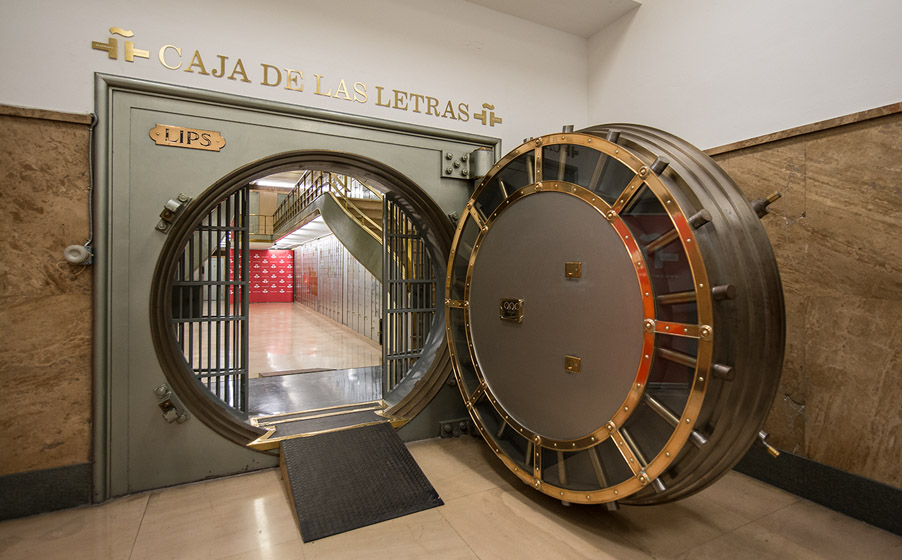
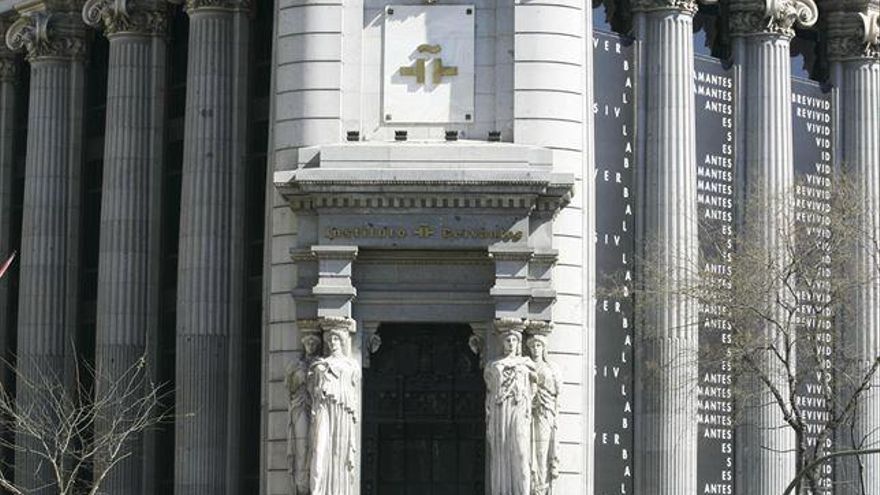
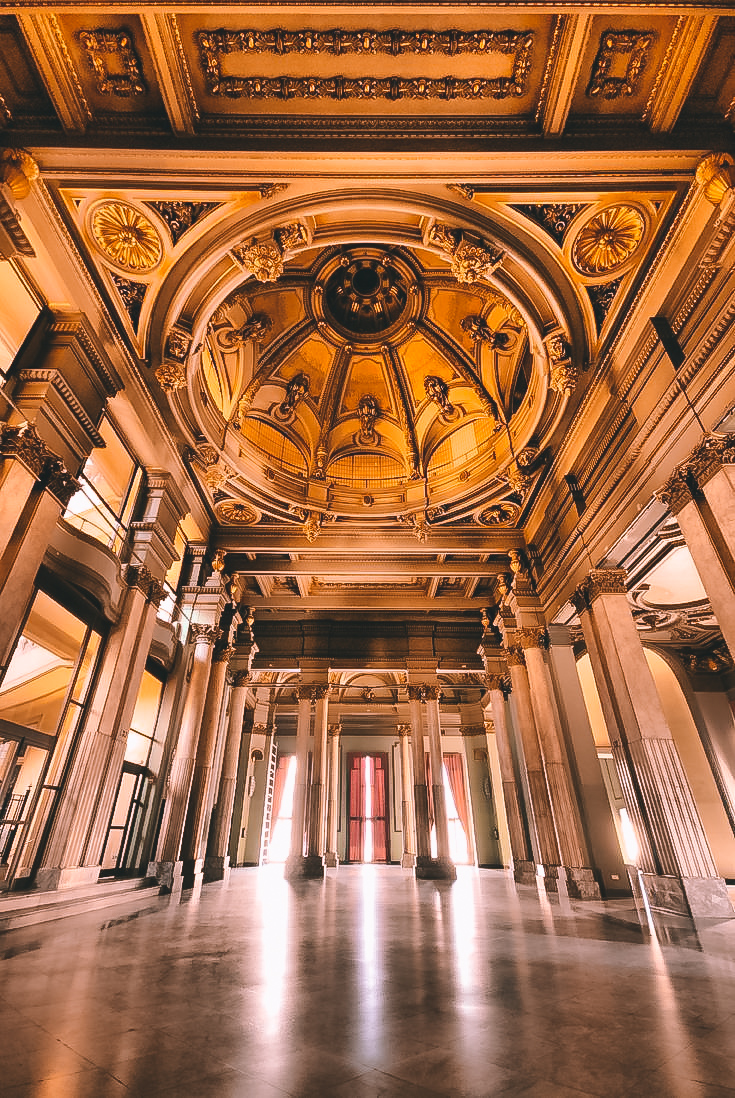
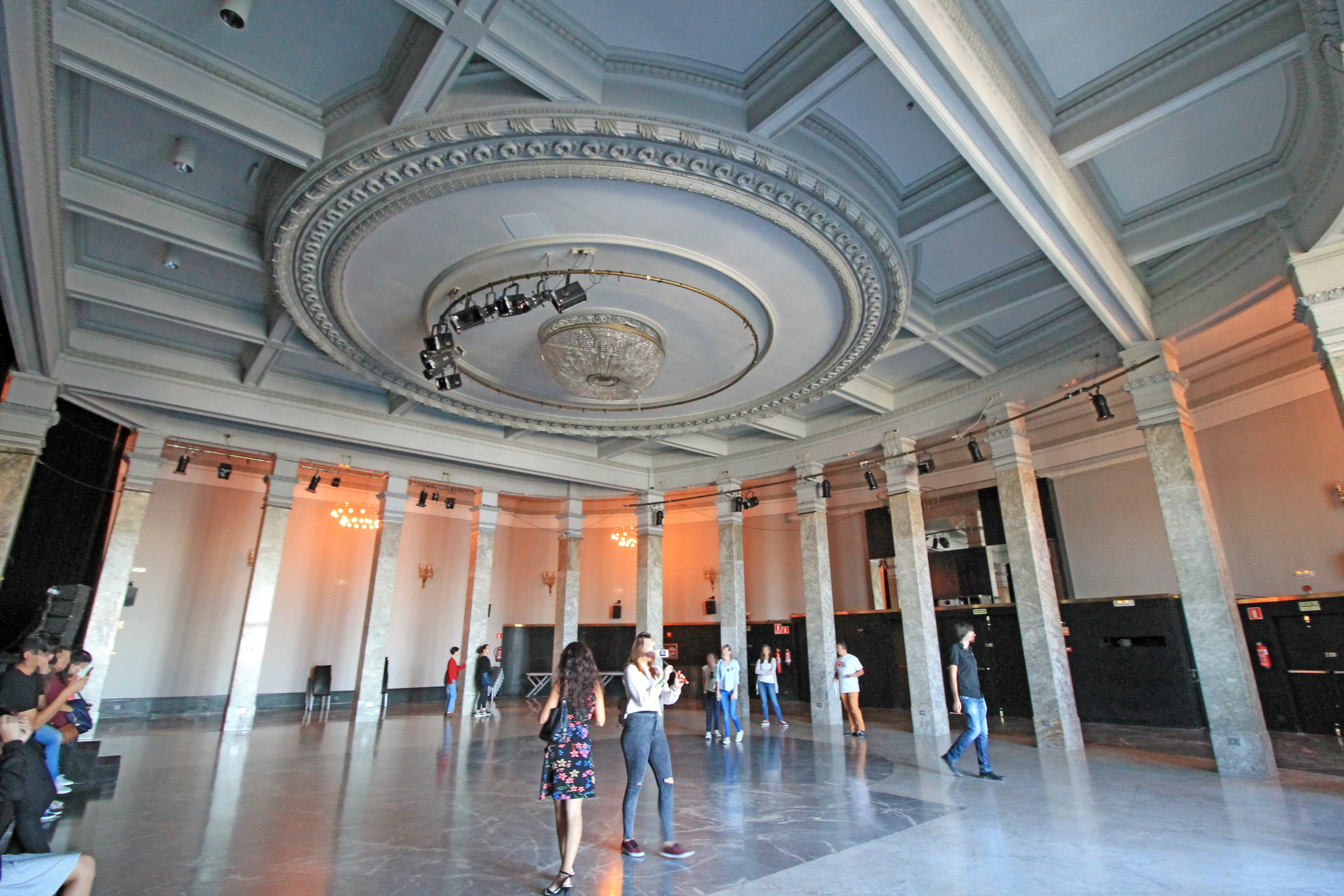
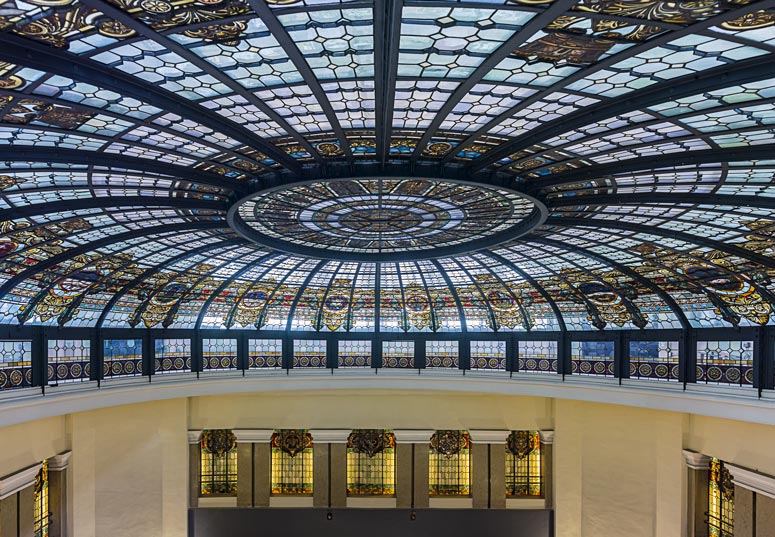
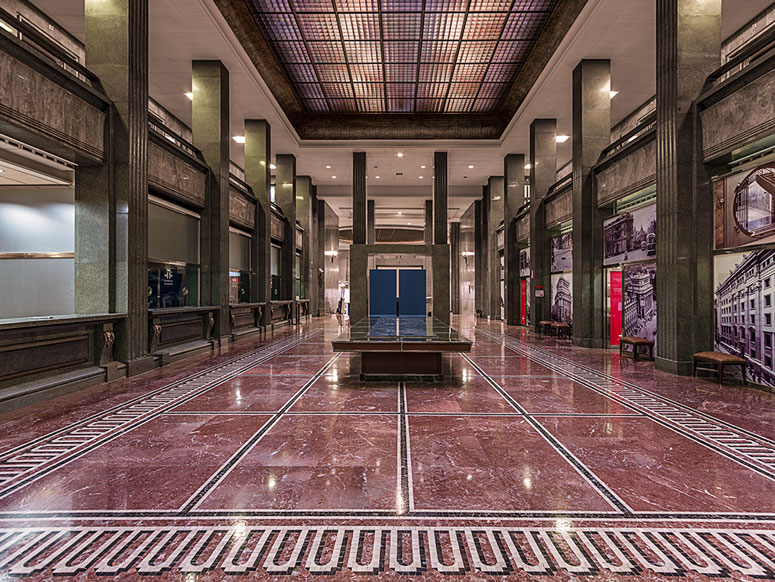
In this area, we find three of the most spectacular and central pieces of his work. They are the Circle of Fine Arts, Commercial Industrial Bank, and the Communication Palace. All three were built by Palacios between 1907-17. We will visit them in depth, including their interiors.
Here, the goal was to alter the street scale. It also aimed to change the public spaces between the buildings that Antonio Palacios designed and constructed. His strategy was to build a sequence of monumental buildings. This would transform the overall scale of the streets. It would also enlarge the public space left in between. All monumental spaces that will give you a very different and impressive perspective of Madrid’s most brilliant modern period.
The result are grand spaces and grand public spaces. Antonio Palacios played a key role in transforming Madrid. His work helped make Madrid one of the main and more modern European cities.
For CIBELES CONTEXT and Tour Extension CLICK HERE
.
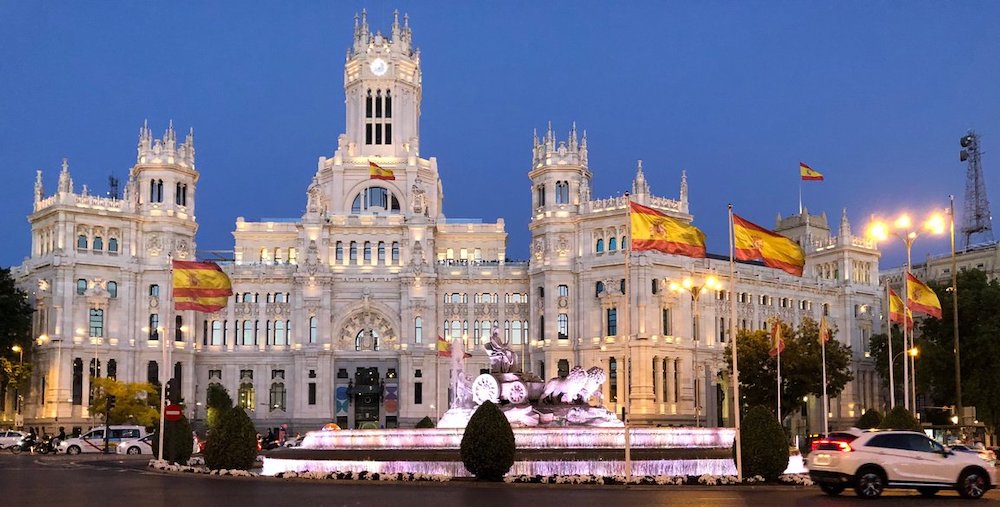
During the 18th century, noble families started to built palaces surrounded by gardens, like the Buenavista Palace which now is the Headquarters for the Ministry of Defense. It is located in the CIBELES PLAZA. In the center of this plaza we find Madrid’s most popular fountain, also from the 18th century. It is one of the cities mayor symbols, with the Cibeles Goddess ridding a chariot pulled by lions. From here we have great panoramic views framed by the Linares Palace (nowadays headquarters for Casa de América), the Bank of Spain (which is a late 19th century) building extensión by Rafael Moneo, and the and the Communication Palace (1919) by Antonio Palacios.
.
The recent Prado-Recoletos Project, recovered this axis for citizen use, restoring dominance to the pedestrian and restricting occupancy by private vehicles. The project has not only to reconnected essential landmarks and museums in the Paseo del Prado but also included the construction of a new cultural area in the underground of Colón Plaza, integrating as well the National Library in this scheme. The National library was inaugurated in the late 19th century (1866) by Queen Isabel the II.
.
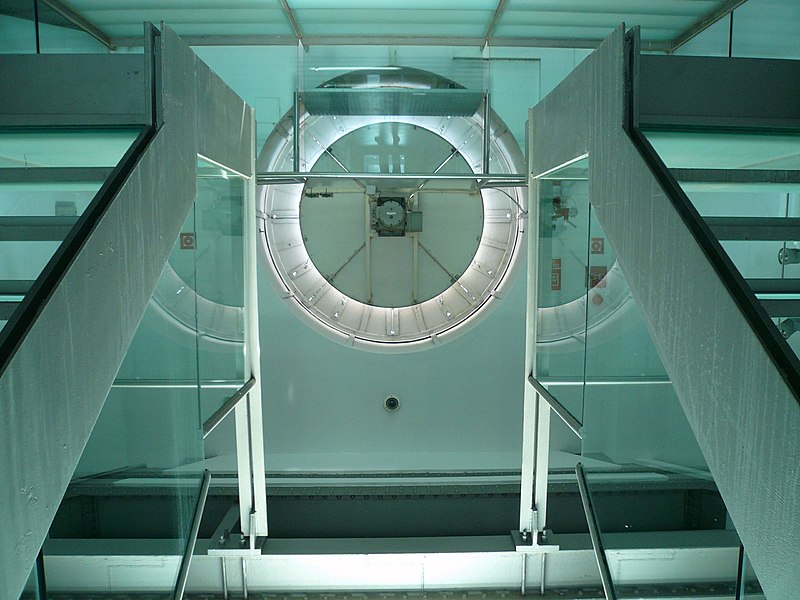
Next to to the National Library we have the Colón Plaza. Here we can find a built first fase of the Prado Recoletos Project, underground pedestrian accesses and tunnels that incorporate underground exhibition spaces. The project was a competition won by the Portuguese master architect Alvaro Siza. We see some of his design in his glass structures.
.
The Colón Tower (1976) by Antonio Lamela, is being refurbished by Estudio Lamela and Arch. Luis Vidal, contractor Huarte, the same one that was patron and constructed the work of the Arch. Sáenz de Oiza, whose work we visit in the o Nuevos Ministerios / Castellana Axis Tour.
.
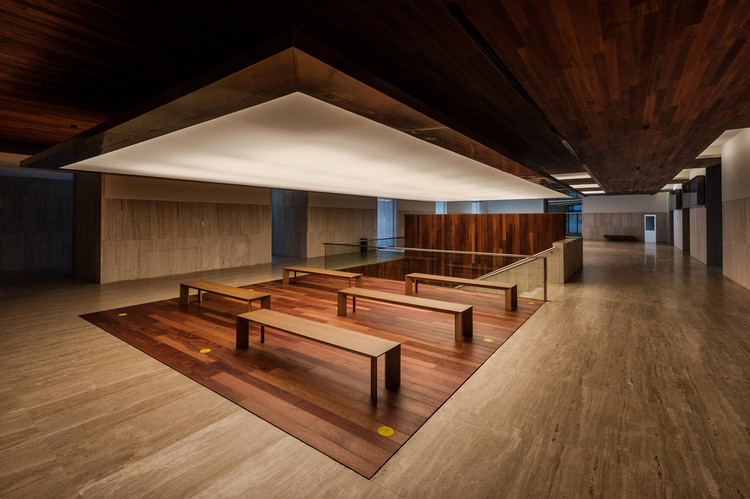
Finally, on the rear of the National Library, we have The National Museum of Archeology which is worth visiting. A very elegant contemporary exhibition project which was a first price competition won by Frade Arquitectos and executed 2008-14, which makes this extension, and reason to choose the full four hour tour!
.
Details:
- Starting Point: Metro Banco de España
- Duration: Between 2,5 – 4 hrs
- Language : English, Spanish and others upon request
.
Walking itinerary:
.
Photos:


.


 Pure Expeditions